
Hey Parra fans, and welcome to the first TCT Golden Point series; Beyond the Blame Game; where I’m going to try to dissect some of the popular current topics of discussion among Parramatta supporters by looking beyond the obvious symptoms to explore their potential causes—and, importantly, what might actually help address them.
The idea came from a 1:00am insomnia induced reflection; after responding to comments on my recent data analysis, where I tested my one-eyed frustrations about the Eels’ 2026 performance; and found that controllable, player-led actions were a bigger factor than referees, the bunker, injuries or fan fatigue.
What began as a fairly simple thought to apply a near 100-year-old theory to an 80-year-old football club; quickly became a cyclonic rabbit hole, eventually producing a 62-page MS-Word file that simply couldn’t be given justice; or proper scrutiny; in a single article.
So, a shout-out to our TCT readers for always keeping me thinking; particularly BDon, for reminding me of both the wonders and woes of applying 5 Whys in study and practice, and Namrebo, for encouraging me to dig further into causation given my concerns about the validity of publicly available match data, and the inherent limitations of subjective data interpretation.
As always, I hope you find the series insightful and engaging. More importantly, I look forward to hearing your own views and perspectives in the comments; whether they are similar, dissimilar, or indifferent.

BEYOND THE BLAME GAME SERIES – PART 1: ASK WHY?
Data can only tell us so much. It can help identify a problem and discredit assumptions of what the problem might be. However, further investigation is required to sufficiently understand why the problem exists, why it isn’t changing or why it consistently reappears; and this is where meaningful analysis begins.
The Eels have rarely lacked plausible reasons for the situations they find themselves in throughout each season. The more difficult question is whether those reasons are being addressed using a clear and consistent process for identifying underlying causes, learning from them and ultimately moving the club closer to what feels like a perennial quest for Premiership Glory.
That requires clear accountability, critical reflection, systems capable of adapting when evidence challenges existing assumptions, and a willingness to test whether proposed solutions actually address the problems they were designed to solve.
- What is actually driving the problem?
- Which factors are symptoms, and which are causes?
- Who has the authority, responsibility and accountability to address it?
- How can we prevent the same issues from hindering premiership success?
This is not an argument that every problem has one simple cause or owner: football clubs are complex ecosystems in which a broad group of key stakeholders’ influence, challenge, and lean on one another, often concurrently. However, hierarchical complexity does not excuse repeated underwhelming results, accountability, and corrective actions.
So who is responsible for what? While not being privy to each party’s position description specifics, based on my significant understanding of corporate systems, I have made the following evidence-based assumptions:
- The Board is responsible for ensuring the club has the right strategy, leadership, governance and accountability structures in place.
- The CEO is responsible for organisational performance, executive accountability and whether the club’s resources are being converted into results.
- The General Manager of Football oversees the execution of football strategy, including recruitment, retention, development and succession planning.
- Football operational staff manage the systems, logistics, communication and support structures that allow coaches and players to concentrate on performance.
- The Head Coach is accountable for the overall football program, including playing philosophy, preparation, selection, standards, tactical direction and measurable on-field improvement.
- The Coaching Team supports the Head Coach through specialist coaching, player and positional development, technical and tactical preparation, performance review and reinforcement of required behaviours.
- The Captain helps convert the coach’s strategy into collective action by reinforcing standards, communication and responses under pressure.
- The Top Squad, including the captain, must ultimately take ownership of preparation, behaviour, teamwork, decision-making and individual execution.
Each stakeholder therefore owns a different part of the system, and together those parts shape Parramatta’s performance. But establishing who contributes to an outcome is not the same as establishing who is ultimately accountable for it. That distinction becomes important when responsibility is distributed across several layers of a football club.
For example: a player leaving should not automatically be interpreted as a GM of Football failure. A player may leave for money, family, opportunity or circumstances the club cannot reasonably control. By the same token, where valued players repeatedly choose to leave, the club should shift their retention strategy focus beyond contract negotiations alone. I.e. the discussion should consider matters broader than dollar value, such as how coaching relationships, broader opportunities (succession planning), culture, communication, leadership and confidence in the football program contributed to that decision.
My aim here is not to criticise the current process or manufacture a solution for an industry I have not worked in. I am just attempting to address recurrent fan discourse and put forward ideas in an evidence based and rational fashion.
That is where this three-part Beyond the Blame Game series begins.
- Part One introduces RASCI in context then applies Toyodas Five Whys to each internal club stakeholder and what I have subjectively prescribed as their biggest problem.
- Part Two will then Challenge the System through Double-Loop Learning and correlating behavioral theories; questioning whether the assumptions, habits and structures beneath those problems also need to change.
- Part Three will Test the Solution through the Plan–Do–Study–Act cycle, turning a number of tried and tested theoretical measures into practical experiments that can be evaluated, refined and improved.
Together, RASCI and these three broad organisational analysis methods prescribe an accountability framework that is informed, adaptable and impactful: clarifying ownership, identifying the cause, challenging the system, and testing the response.
The Accountability Lens: RASCI
Before I jump into asking why, it helps to be clear about what accountability actually means. A RASCI Matrix is a simple but versatile governance tool that determines accountability, by placing stakeholders into five different categories associated with a task, decision or outcome they are a part of.
RASCI evolved from the RACI responsibility-assignment matrix, a project and management tool developed to clarify roles, responsibilities and decision-making authority. While the model’s exact origins are difficult to attribute to a single source, its development has been linked to early organisational structure and management systems work, including that of Edmond F. Sheehan, before being further developed and popularised through organisations such as DuPont and Ernst & Young into the responsibility-assignment frameworks that eventually evolved into the RACI and RASCI models used today.
Across almost every organisation or agency I have worked in over the past 30 years, I have encountered some form of framework that resembles RASCI. But, much like the Likert-scale surveys workplaces use to measure job satisfaction or gather feedback, models designed to challenge the status quo are only as useful as the way they are applied. Their value depends on whether they are used intentionally, applied appropriately and, most importantly, acted upon effectively.
- Responsible (R): the person or people who perform the work or take the action.
- Accountable (A): the person ultimately answerable for the outcome and with the authority to ensure the work is completed. Good RASCI practice generally seeks one clear accountable owner.
- Support (S): the people who provide practical assistance, resources or specialist help to the Responsible person or team, without owning the task or outcome.
- Consulted (C): the people whose expertise, perspective or input should inform a decision before action is taken.
- Informed (I): the people who need visibility of a decision, progress or result, but are not responsible for making it happen.
Importantly, those labels are not permanent job descriptions. A stakeholder may be Accountable for one issue, Responsible for another, Support work on a third, be Consulted on a fourth and Informed on a fifth. Not every issue requires every category. In a football club, where responsibilities overlap, that distinction matters: when everyone appears responsible, it becomes difficult to identify who actually owns the outcome.
The following five examples apply the RASCI to different issues facing the Parramatta Eels to show its primary value as an accountability identifier that will help form a broader understanding of the way accountability can vary across internal stakeholder groups. Which will (I hope) strengthen the relevance and validity of the 5 Whys analysis that follows.
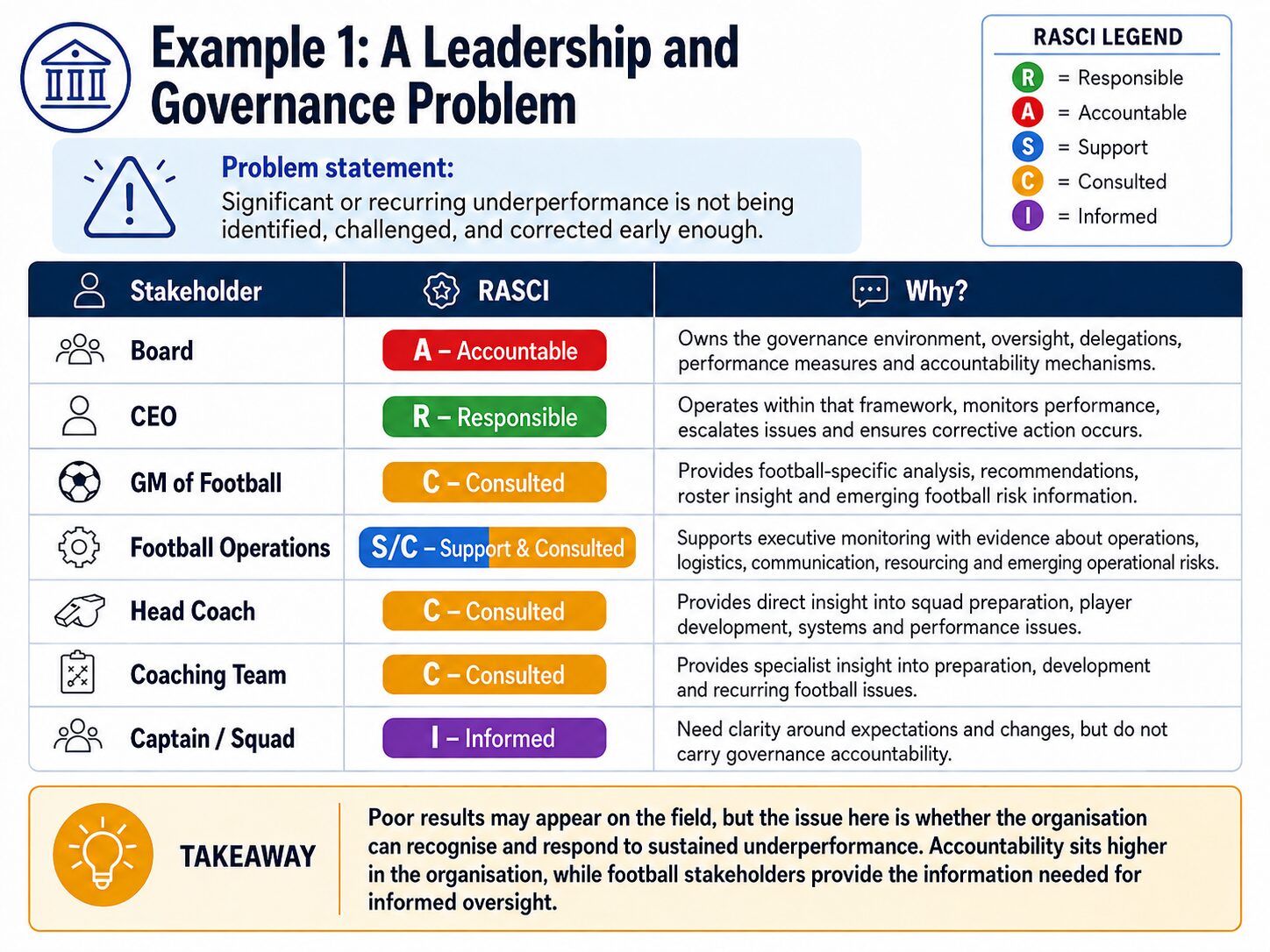
Source: RASCI Matrix (Sheehan – DuPont – E&Y) created by the Author using Canva Premium.
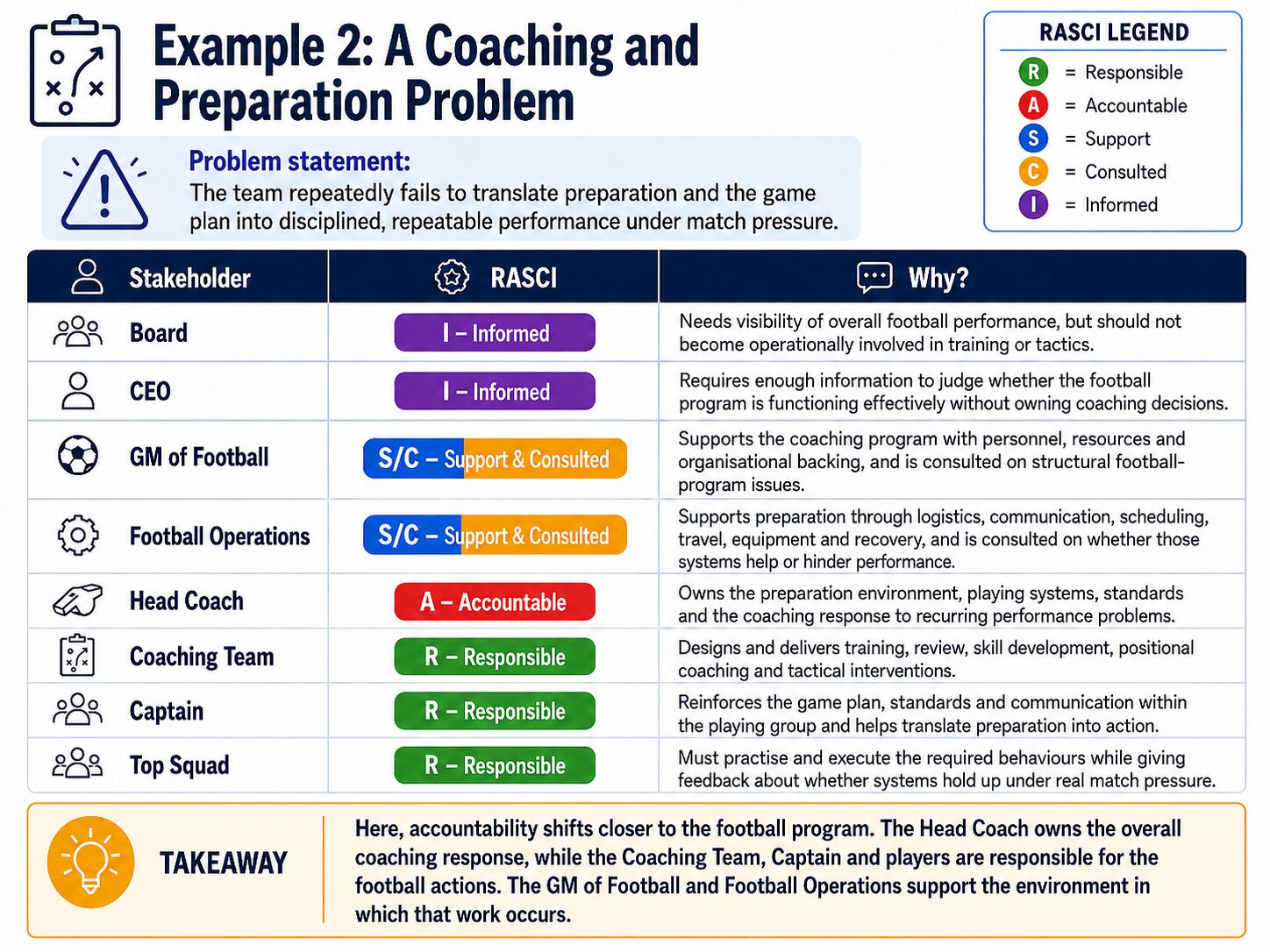
Source: RASCI Matrix (Sheehan – DuPont – E&Y) created by the Author using Canva Premium
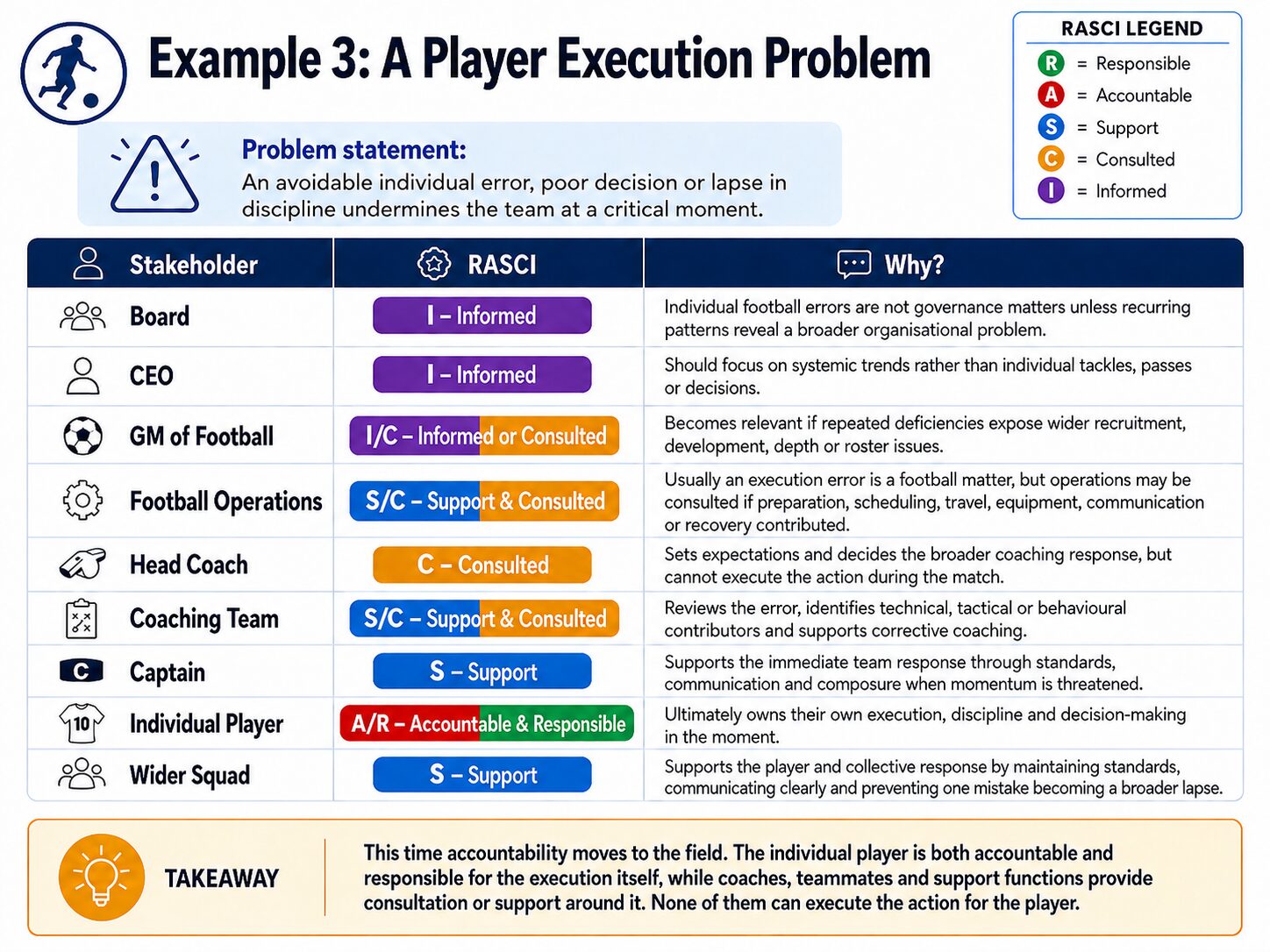
Source: RASCI Matrix (Sheehan – DuPont – E&Y) created by the Author using Canva Premium
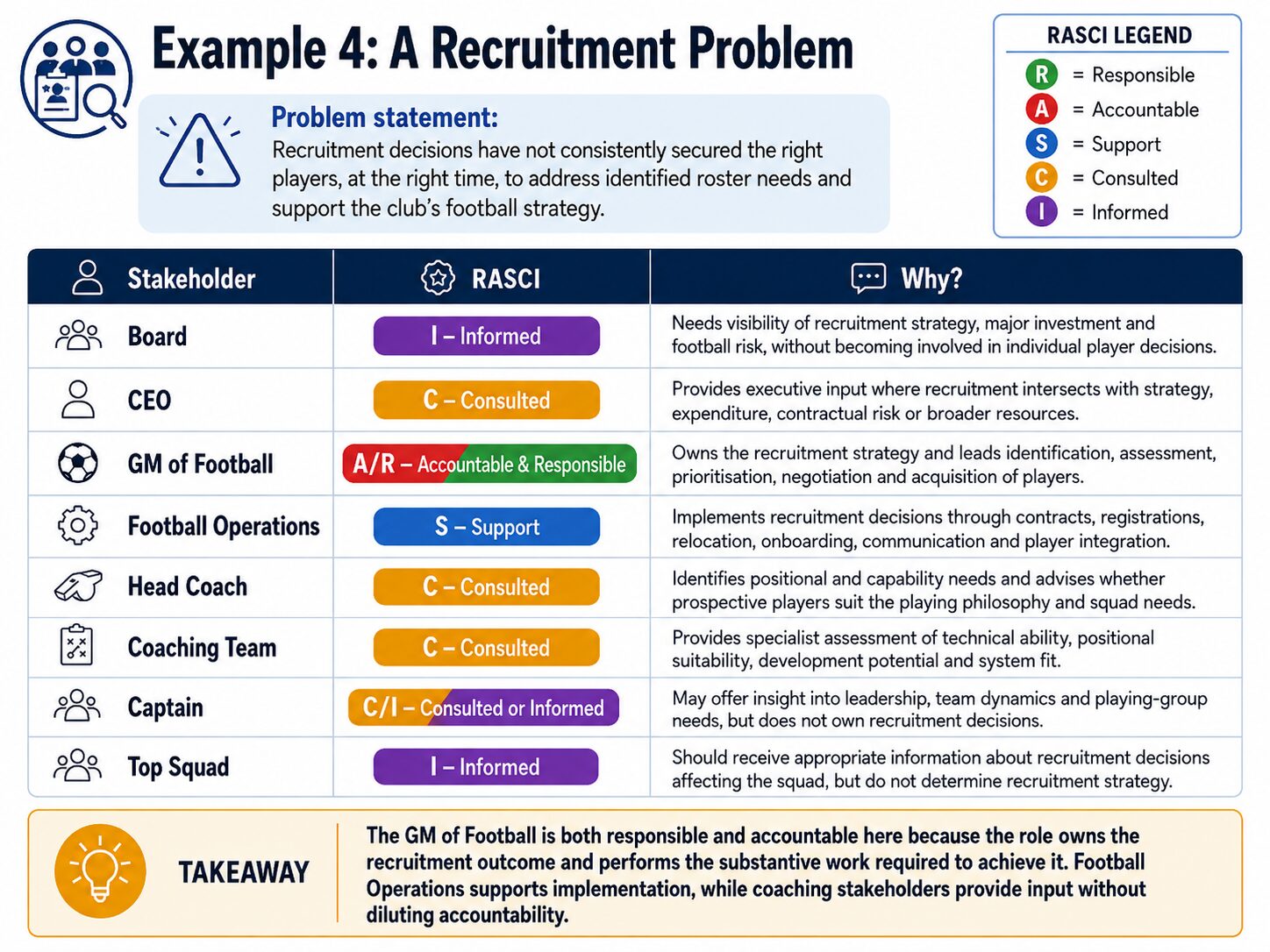
Source: RASCI Matrix (Sheehan – DuPont – E&Y) created by the Author using Canva Premium
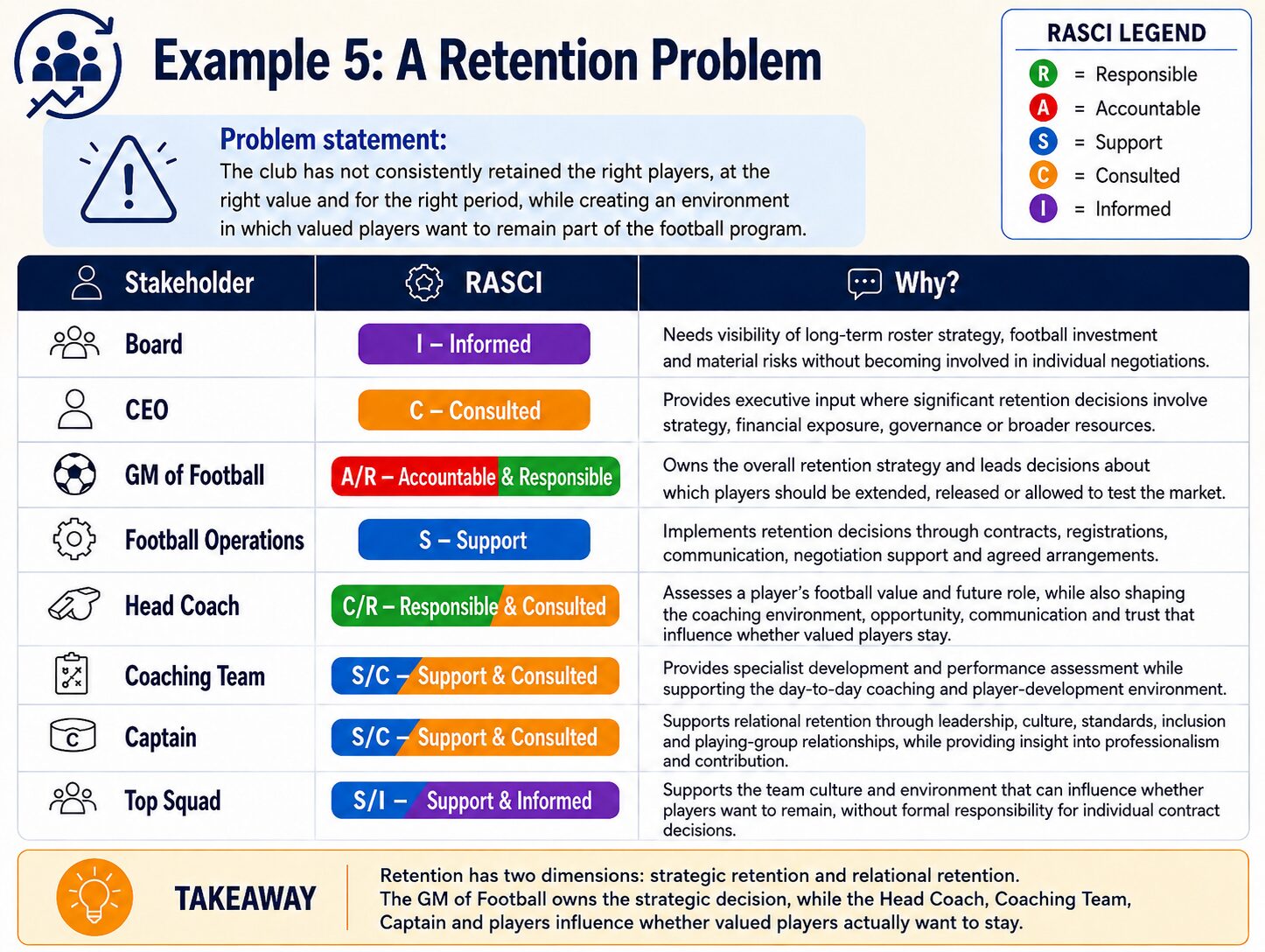
Source: RASCI Matrix (Sheehan – DuPont – E&Y) created by the Author using Canva Premium
The Five Whys
The Five Whys method is credited to Sakichi Toyoda, founder of Toyota Industries, who developed the technique during the 1930s. It has since been widely adopted by organisations as a practical tool for root-cause analysis, reflection and continuous improvement.
The Five Whys is a problem-solving method designed to move beyond symptoms and identify the underlying cause of failure. Rather than accepting the first and most convenient explanation, it repeatedly asks why until the discussion reaches something the organisation can meaningfully address. Applied properly, the process is not about allocating blame; it is about establishing accountability, challenging assumptions, and preventing the same problems from reoccurring over and over again.
How the Process Works:
- Write the problem: State the clear, factual issue you see.
- Ask Why 1: Why did this happen? Write down the direct cause.
- Ask Why 2: Why did that cause happen? Dig one step deeper.
- Ask Why 3 & 4: Keep asking why based on the previous answer.
- Ask Why 5: Identify the underlying root cause—or causes—that can be addressed through meaningful and lasting action.
The following section applies the Five Whys to each key stakeholder from the boardroom to the bench. The purpose is not to permanently label any stakeholder R, A, S, C or I, but to test whether responsibility, support and accountability are aligned around the issue being examined. As each analysis reaches a possible root cause, the RASCI check becomes: who should be Responsible for action, who is Accountable for the outcome, who should Support delivery, who must be Consulted, and who needs to be Informed?
5-Why’s for The Board
Problem: The club has not consistently converted its strategic vision, resources and governance into sustained on-field success.
- Why has the club been unable to consistently convert its resources, facilities and supporter base into sustained football success? Because strong resources and infrastructure create opportunity, but they do not automatically produce aligned leadership, effective decisions or consistent performance.
- Why has the organisation not consistently converted that opportunity into results? Because responsibility is distributed across the Board, executive leadership and football department, creating the possibility that individual functions are reviewed without sufficient scrutiny of how the entire system performs together.
- Why can collective accountability become difficult to establish? Because boards generally govern through reports, recommendations, performance measures and delegated authority. If those mechanisms are unclear, incomplete or overly focused on short-term results, problems may only become visible after they have already affected the football program.
- Why might significant problems remain unresolved across multiple seasons or leadership changes? Because changing personnel does not necessarily correct the governance conditions surrounding them. New coaches, executives and football staff can inherit the same unclear expectations, fragmented decision-making processes or inconsistent measures of success.
- Why must the Board examine its own role in sustained underperformance?Because the Board is ultimately responsible for ensuring the organisation has an effective strategy, capable leadership, clear accountability and appropriate oversight. It may not make individual football decisions, but it governs the system in which those decisions are made.
Assessment: The Parramatta Board needs to look beyond whether it has appropriately delegated responsibility and assess whether it has created a governance environment capable of identifying poor performance early, challenging ineffective decisions and holding the right people accountable before another cycle of underachievement becomes entrenched.
Board – RASCI Implication: The Board is Accountable for the governance environment, with the CEO Responsible for organisational execution and football leaders Consulted or Supporting where their expertise is required.
5-Whys for the CEO
Problem: The organisation has not consistently translated its people, resources and football operations into the results expected by members and stakeholders.
- Why has the football program not consistently delivered results that reflect the club’s resources, facilities and supporter base? Because strong resources create potential, but they do not automatically produce effective football decisions or consistent on-field performance.
- Why has that potential not been fully converted into results? Because responsibility is spread across recruitment, coaching, development, high performance, pathways and administration, while accountability for the combined outcome can become less clear.
- Why can accountability become unclear? Because organisations often measure individual departments and appointments without adequately assessing how effectively the entire system works together.
- Why has the broader system not consistently identified and corrected problems earlier? Because governance can become focused on whether the appropriate structures and personnel exist rather than whether those structures are producing the required outcomes.
- Why is stronger organisational accountability necessary? Because sustained underperformance cannot continually be explained by changing coaches, injuries, individual errors or isolated roster decisions. At some point, the organisation must examine how those problems were anticipated, managed and allowed to persist.
Assessment: The challenge for the CEO is to create an environment where accountability is clear, performance is measurable and ineffective decisions are identified, challenged and corrected before they become entrenched. Success will depend not only on responding to problems, but on building an organisation capable of learning from them before another season is lost.
CEO — RASCI Implication: The CEO is Accountable for ensuring organisational accountability and performance systems work effectively, with football and operational leaders Responsible and Supporting within their respective functions and the Board maintaining appropriate oversight.
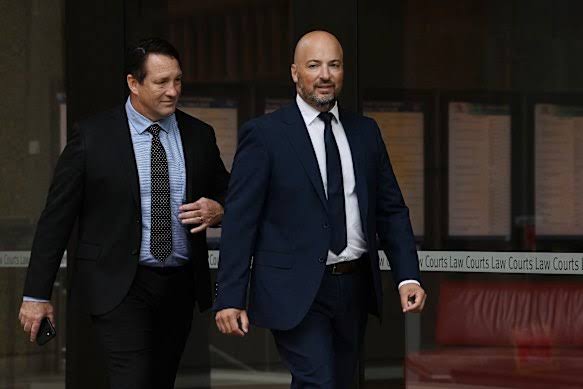
Eels CEO Jim Sarantinos & GM of Football Mark O’Neill – Source: Parramatta’s Eels
5-Whys for the GM of Football
Problem: The football program has not consistently maintained a balanced, resilient and strategically aligned roster through an integrated approach to recruitment, retention, development and succession planning.
- Why has the roster not consistently sustained finals-level performance? Because it has at times lacked the balance, depth and succession required to maintain consistent performance across an entire season.
- Why have those roster imbalances emerged? Because recruitment, retention and succession decisions have not always anticipated future roster needs, player departures, injuries or the natural evolution of the squad.
- Why has roster planning sometimes appeared reactive rather than proactive? Because identifying future needs and securing the right players at the right time are different capabilities, particularly within salary-cap and contractual constraints.
- Why has Parramatta struggled to consistently build and maintain roster balance? Because recruitment, retention, pathways, player development and succession planning may not yet be operating as one integrated football strategy.
- Why is an integrated football strategy important? Because premiership rosters are not assembled through isolated signings. They are built through years of coordinated decisions in which every extension, release, pathway promotion and recruitment target supports a clearly defined football identity. Consistency in those decisions builds continuity; inconsistency creates recurring roster gaps.
Assessment: The challenge for the GM of Football is to take a broader, more integrated view of Parramatta’s talent acquisition and roster management strategy. The issue is not simply whether the club has enough talented players, but whether it has a clear and adaptable plan for attracting, developing and retaining a balanced squad of elite performers, dependable core players and emerging talent. Achieving that balance is essential to building depth, maintaining confidence in the roster and ensuring sufficient quality remains available when injuries, representative commitments or other disruptions inevitably affect player availability.
GM of Football — RASCI Implication: The GM of Football is Accountable and Responsible for an integrated roster strategy, supported by Football Operations and informed by the Consulted expertise of the Head Coach and Coaching Team.
5-Whys for Football Program Staff
Problem: We know the Clubs facilities are world class. However, this function cannot be excluded from possibly attributing to the wider performance issues. Hence operational systems, processes, and support services must be reviewed to ensure they are consistently providing the best possible environment for coaches and players to perform.
- Why might avoidable operational problems affect football performance? Because incomplete information, last-minute changes, unclear responsibilities or poorly coordinated logistics can create unnecessary distractions for coaches and players.
- Why do those problems occur? Because football operations involve multiple people, departments, deadlines and external organisations, with seemingly minor failures capable of affecting the wider match-day preparation.
- Why can small operational failures become recurring problems? Because the immediate issue may be quickly resolved without examining the process that allowed it to occur. A missing item is replaced. A scheduling conflict is rearranged. A communication failure is corrected. The match proceeds—and everyone moves on.
- Why might the underlying process remain unchanged? Because successful operations are often judged by whether a planned action/event ultimately occurred, rather than whether it was delivered efficiently, consistently and without avoidable disruption.
- Why is a focus on efficiency, consistency and streamlined operational practices so important? Because repeated small failures create administrative burden, distract key personnel and gradually normalise reactive problem-solving.
Assessment: The challenge for football operations staff is to review, reflect upon and reform potentially entrenched processes to ensure the operational systems supporting the team consistently reduce uncertainty, anticipate problems and allow coaches and players to concentrate on performance.
Football Program Staff — RASCI Implication: Football Operations is Responsible for reviewing and improving the systems that support the football program, while the GM of Football remains Accountable for ensuring those functions collectively enable performance.
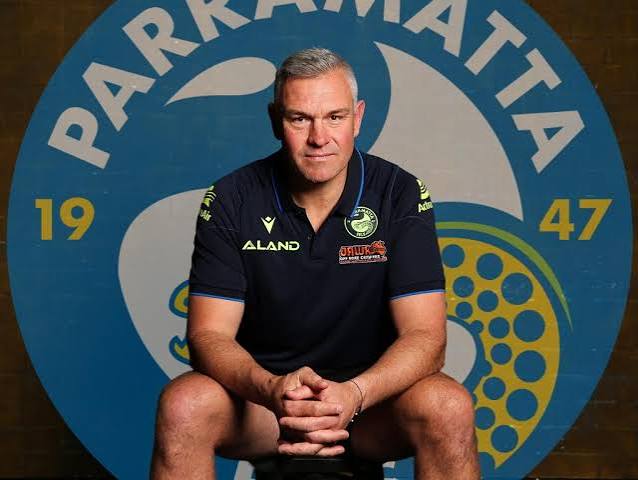
Head Coach Jason Ryles – Source: Parramatta Eels
5-Whys for The Head Coach
Problem: The team is not consistently translating its preparation, playing systems and game plan into disciplined, repeatable, match-winning performances.
- Why has the team struggled to convert competitive periods into victories? Because it has repeatedly undermined its own performance through errors, poor completion, missed attacking opportunities, defensive lapses and an inability to sustain pressure for long enough periods.
- Why are those performance failures continuing? Because the team is not yet consistently executing the required standards, decisions and behaviours when fatigue, scoreboard pressure and changing momentum test its discipline.
- Why has the coaching program not yet produced greater consistency in those moments? Because establishing a game plan and identifying mistakes are only part of the Head Coach’s responsibility. The broader coaching environment must ensure preparation, selection, role clarity, standards and tactical expectations collectively reinforce the behaviours required under pressure.
- Why is alignment across those areas so important? Because players are more likely to reproduce behaviours that are consistently trained, clearly expected and reinforced through selection, accountability and match preparation. If expectations, consequences or priorities are unclear or inconsistently applied, recurring weaknesses can become tolerated rather than corrected.
- Why must responsibility for sustained improvement ultimately sit with the Head Coach? Because while assistant coaches deliver specialist programs and players remain responsible for their own execution, the Head Coach is accountable for the overall football system: what is prioritised, what standards are demanded, how the team prepares, who is selected and whether the collective approach is producing measurable improvement.
Assessment: The challenge for the Head Coach is to ensure that Parramatta’s broader coaching system progressively converts preparation, strategy and expectations into more reliable match-day performance. This requires more than identifying recurring errors or allowing time for combinations to develop; it requires clear standards, aligned coaching priorities, meaningful accountability and selection decisions that reinforce the behaviours the team is expected to reproduce under pressure. Ultimately, the effectiveness of the Head Coach’s program should become increasingly visible through measurable improvements in execution, discipline, adaptability and results.
Head Coach — RASCI Implication: The Head Coach is Accountable for the overall coaching response, with the Coaching Team Responsible, Football Operations providing Support, and the Captain and Squad Responsible for translating preparation into match-day behaviour.
5-Whys for the Coaching Team
Problem: The coaching program is not yet consistently converting identified performance weaknesses into sustained improvements in player execution, decision-making and collective performance.
- Why do recurring execution and decision-making problems continue despite being identified through coaching and review? Because recognising what went wrong does not automatically change the technical skills, habits or decisions players reproduce under match pressure.
- Why might identified problems not consistently translate into changed behaviour? Because improvement requires coaching interventions to be specific, repeated and reinforced across individual, positional and team environments until the desired response becomes increasingly automatic.
- Why can that reinforcement become inconsistent? Because a modern coaching program involves multiple coaches, specialist areas and competing performance priorities. Without strong alignment, players may receive technically sound instruction without every component consistently reinforcing the same broader playing principles and behavioural expectations.
- Why is alignment across the Coaching Team so important? Because attack, defence, skills, positional development and individual preparation cannot operate as isolated functions. Each contributes to the same match-day performance, meaning coaching messages, priorities and measures of improvement must complement rather than compete with one another.
- Why must the Coaching Team continually evaluate whether its methods are producing the required improvement? Because coaching effectiveness cannot ultimately be measured by the quality of instruction alone. It must become visible through progressively better execution, decision-making, adaptability and consistency when players are exposed to fatigue, pressure and changing match conditions.
Assessment: The challenge for Parramatta’s Coaching Team is to ensure that identifying a performance problem leads to a coordinated and measurable coaching response. Specialist coaches must do more than recognise and correct individual errors; their methods, messaging and performance measures need to collectively reinforce the Head Coach’s broader football strategy. Effective coaching should progressively convert review findings into stronger habits, better decisions and more reliable execution until improvement becomes evident not only on the training field, but when those behaviours are tested under genuine match pressure.
Coaching Team — RASCI Implication: The Head Coach remains Accountable for the broader coaching program, while the Coaching Team is Responsible for delivering coordinated interventions, supported by relevant football staff and informed by player feedback.
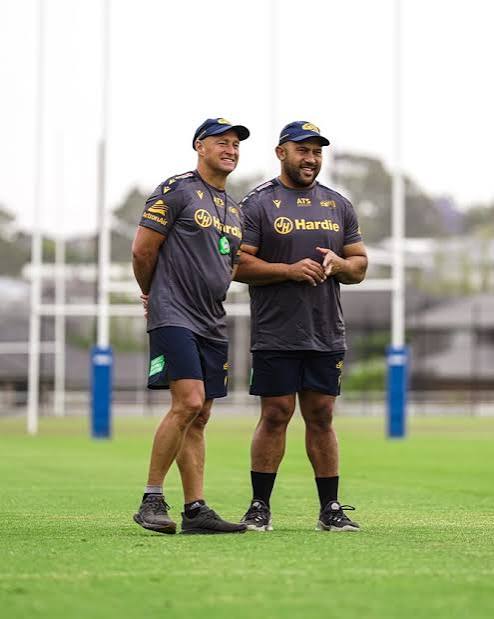
Nathan Brown (Assistant Coach) & Sam Moa (Assistant and Defensive Coach) Source: Parramatta’s Eels
5-Whys for The Captain
Problem: The Captains significant influence as The Squads chief playmaker does not always translate into the calm, consistent and empowering leadership required to guide the team through pressure, adversity and changing momentum.
- Why can leadership become more difficult for The Captain during critical moments? Because as both captain and chief playmaker, he carries significant responsibility for game management, attacking direction, kicking strategy and communication, while simultaneously being expected to lead the team emotionally and tactically.
- Why can combining those responsibilities affect his effectiveness as a leader? Because when pressure increases, the demands of personally managing the football contest can compete with the broader leadership requirement to remain composed, communicate clearly and provide reassurance and direction to those around him.
- Why is composure particularly important for a captain? Because a captain’s behaviour can influence the emotional temperature of the team. Urgency can sharpen standards and demand accountability, but visible frustration or overly reactive communication can also reduce clarity when teammates most need calm and decisive leadership.
- Why might Moses need to adapt his leadership style rather than simply demand more from himself? Because effective leadership is not only about setting high standards or personally taking responsibility. It also requires understanding how different players respond to communication, knowing when to challenge and when to steady, delegating responsibility and creating confidence in others.
- Why is developing that broader leadership capability important for Captain and Squad? Because the strongest captains do more than direct play or produce decisive individual moments; they amplify the performance of those around them. As Moses develops his ability to balance intensity with composure, direction with empowerment and accountability with confidence, his influence can extend beyond his own performance and become a more consistent stabilising force for the team.
Assessment: The challenge for The Captain is to continue evolving from being a dominant on-field organiser into an increasingly adaptable and influential leader. His competitiveness, football intelligence, and willingness to take responsibility are significant leadership strengths, but captaincy requires those qualities to be translated into calm, clear and constructive influence; particularly in high pressure moments.
Captain — RASCI Implication: The Captain is Responsible for reinforcing standards, communication and collective responses on the field, while the Head Coach remains Accountable for the leadership environment and the wider Squad provides Support through shared ownership and behaviour.
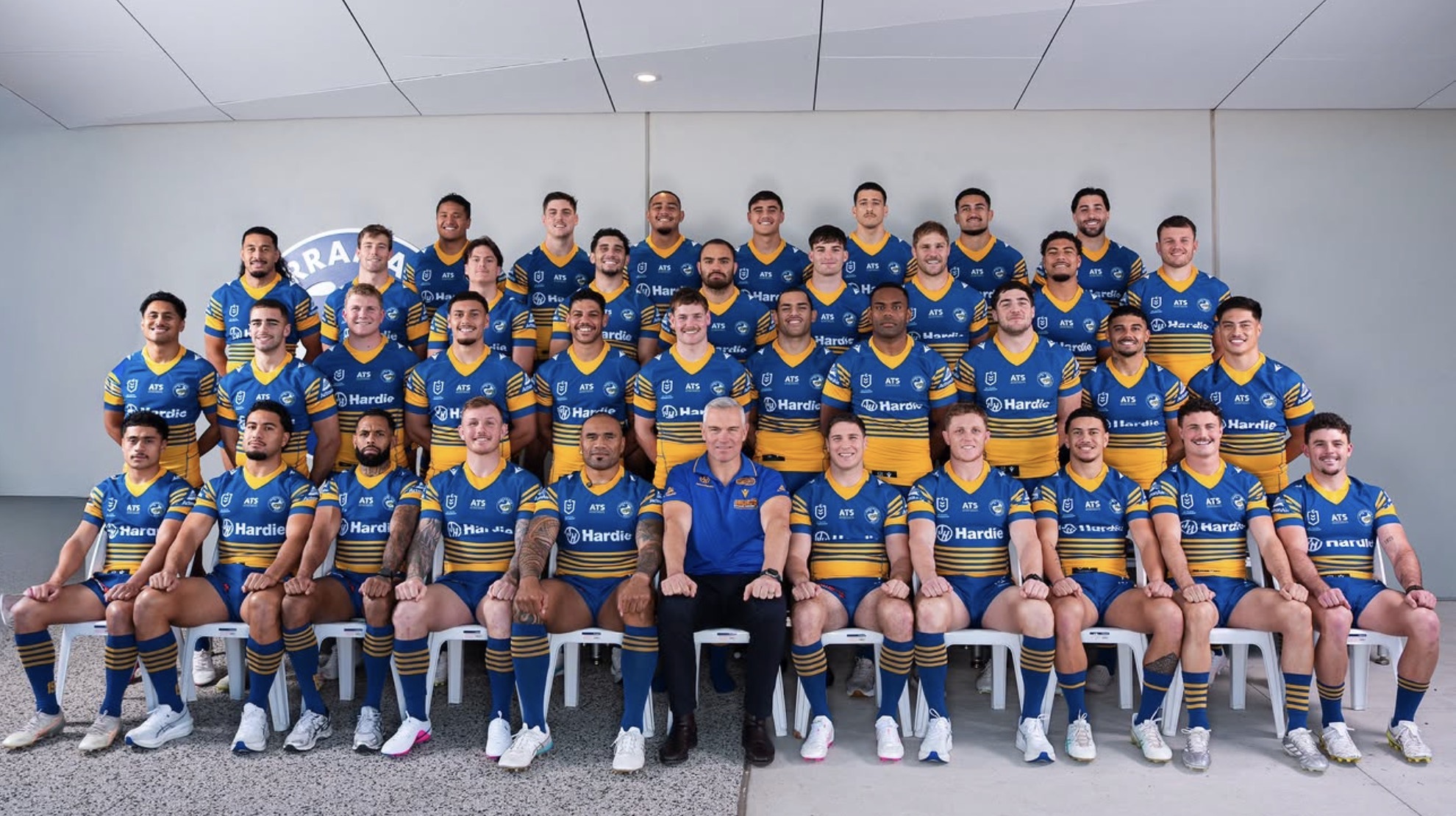
Eels 2026 Top Squad
5-Whys for the Top Squad
Problem: The Top Squad has shown it is talented and capable of competing against elite teams; but they have failed to consistently sustain the discipline and execution required to turn opportunities into points and competitive performances into wins.
- Why are we losing games we are capable of winning? Because too many possessions and defensive periods are being undermined by avoidable errors, poor discipline, missed opportunities and inconsistent execution.
- Why does execution deteriorate at important moments? Because decision-making, communication and patience can become less reliable when players are fatigued, under scoreboard pressure or trying to immediately regain momentum.
- Why does pressure continue to expose the same weaknesses? Because under stress, players tend to revert to their most deeply ingrained habits, meaning standards that are understood intellectually are not always embedded strongly enough to survive match pressure.
- Why are those standards not yet consistently embedded? Because improvement requires more than recognising mistakes in review. The required behaviours must be repeatedly practised, reinforced and demanded by teammates until disciplined execution becomes automatic rather than situational.
- Why must responsibility ultimately sit with the playing group? Because coaches can design systems, analysts can identify patterns and leaders can reinforce expectations, but only the players can consistently execute the tackle, complete the set, communicate, support one another and make the correct decision in the moment.
Assessment: The challenge for Parramatta’s top squad is to translate planning, training and development into automatic on-field behaviours. This goes beyond simply understanding what good execution looks like; the real test is whether those behaviours can be reproduced consistently when fatigue, pressure and shifts in momentum test discipline and decision-making. Sustainable improvement requires collective ownership, with teammates reinforcing standards, responding constructively to mistakes and refusing to allow avoidable lapses to become accepted habits.
Squad — RASCI Implication: Individual players are Accountable and Responsible for their own execution, while the wider Squad Supports collective standards and the Captain and Coaching Team reinforce the behaviours required under pressure.
The Golden Point: The Questions Beneath the Questions
The Five Whys can help identify what lies beneath the visible problem, while RASCI clarifies who should own, act on and support what that diagnosis reveals. But a root cause and accountable owner still do not guarantee change. A club can identify poor execution, inadequate succession planning, unclear accountability or ineffective preparation and still make another short-term adjustment; rather than addressing the cause. If the same problems continue despite that clarity, the next question is whether the assumptions, habits and structures surrounding the problem also need to change.
That is where Double-Loop Learning (DLL) becomes important. We will look at DLL in part 2 of the Series: Beyond the Blame Game Part 2: Challenge the System; where I will be questioning whether the assumptions, habits and structures beneath the Whys also need to change.
Until then, stand together and stick with us. We appreciate you all.
See you at the game on Saturday.
Roly-Poly


Wast of time commenting on this site, because if I say something similar in the past it is not excepted
What do you mean by this comment Colin? What do you mean by something similar? Similar to what?
I appreciate the detailed analysis and use of management theory, there’s some good stuff in here.
That said the club could fast track its progress with another element of organisational design – effective performance management.
Our GM of Football has never performed in role and should have been relieved of duties some time ago for someone more capable. No good having a strong strategy if you don’t have adequate talent to execute it.
Hi BP,
I think that’s a really fair point. Performance management is an important part of organisational capability, and ultimately even the best strategy depends on having the right people capable of executing it.
Where I’d probably differ slightly is that, from outside the organisation, it’s difficult to objectively assess one individual’s performance or know what performance measures and accountabilities sit behind closed doors. That’s partly why I’ve focused on the system rather than advocating for particular people to be removed.
But the principle absolutely stands: if performance expectations are clear, appropriately measured, and consistently not being met, an effective organisation needs to act. Otherwise accountability exists on paper rather than in practice.
Thanks for your perspective. I genuinely appreciate it.
Roly
That’s a really insightful approach. It’s easy to get caught up in pointing fingers, but understanding the root causes is definitely key.
Thank you EagleEye. That’s really the point I’m trying to make. Accountability absolutely matters, but if we only identify who is responsible without understanding why the same problems keep occurring, we risk changing the people without changing the outcomes.
Thanks again,
Roly
So true.
Well in my humble opinion, we need to take advantage of this upcoming review and treat it seriously.
We require major surgery in all aspects of our football operations otherwise the club will just fall into irrelevancy.
We cannot just blame injuries, referees and bad luck for our NRL sides inability to compete to a required level.
It’s quite plain that our Recruitment and Retention has not fulfilled its required levels.
Our Strength and conditioning department is sadly lacking.
I don’t know what to say about our NRLW side. I have no doubt Rory Owen will be asking for a release to return to Brisbane in the future to be with family and why would Keilee Joseph hang around ?
It’s such a mess that questions must be asked if its damaging our brand too much owning the licence
If we go into next year without major major changes across all departments then we may as well just accept our demise.
As a long time (now retired) consultant, I, and I’m sure you also, recognize the key to acceptance of such an exercise is the shared ownership of the data and the implementation by all involved.
The five Whys become increasingly more subjective as the depth of questioning leads to a pyramid of whys rather than a clear sequence.
If the full playing, coaching and management squads were volunteering the data from the top level down, and proposing the solutions, they would embrace the process more readily.
What remains for you as the consultant is to convince the management layer that your approach will add the necessary value without tarring and feathering them in the process.
Something has to be done.
This structured approach is worthwhile, even with the vast majority of participants unfamiliar with, even incapable of understanding, continuous improvement theory.
Keep on fighting.
Thank you—and I completely agree about shared ownership. The Five Whys can create the illusion of a neat causal chain when, in an organisation this complex, there is more likely a pyramid of interconnected whys, as you put it.
That’s also why I’ve tried to avoid presenting any of this as the answer. The real value would come from those inside the club contributing the evidence, challenging the assumptions and owning the solutions themselves. Continuous improvement imposed on people rarely works as well as improvement built with them.
And from someone with 57 years as an Eel, “keep on fighting” carries some weight!
Thank you again,
Roly
Interesting analysis. It goes to show Parra’s problems are ingrained and run through the entire organisation. I suspect that this type of analysis has never been completed by the club, and they are unaware of the importance of getting things right in every area of the club. We now have a best practice training facility, but we need to have best practice throughout the club. Where is the evidence that the club is even striving for this, let alone identifying what the next “Best Practice” should be?
I really do hope we see some serious change instigated by the board and CEO. If they are incapable of leading change, we need to find a board & CEO that are capable. I do hope you send this to the club Roly!
Thanks Longfin. I think your point about the CoE is particularly important—best-practice infrastructure only creates an opportunity; it needs best-practice leadership, systems, accountability and continuous improvement around it to translate into sustained success.
I also hope we see evidence of meaningful change. Ultimately, that responsibility has to start with the Board and CEO—not necessarily to have every answer themselves, but to ensure the organisation is capable of finding, implementing and continually improving those answers.
Thanks again,
Roly
Tks Roly. As you know, there’s nothing like getting access to the inside to sharpen your focus. I suspect that you have kept your ‘5 Why’ process fairly broad-based for that reason. You must retain a level of acceptable authenticity somewhere in the middle of ‘solutions based on authorised access’ and ‘solutions based on publicly observed events’. You land in the middle because many of the public events would still crystallise ( with more foundation) under authorised access. I’ll try to absorb the 3 part ‘marathon’ and see where you land. Wherever, I’m sure a good roadmap is on the cards.
A sidebar…I’ve just read the Knights are possible top 4 contenders after being wooden spooners in 2025. There’s a great case study comparison between Knights and Eels in the light of your work on the Eels. But, yes, I know, there’s only 24 hours in a day!
Thanks BDon. You’ve captured the balancing act perfectly. Without authorised access to internal information, going much deeper risks turning analysis into assumption. The Five Whys are therefore deliberately broad enough to identify plausible questions and systemic pressure points without pretending I can know what is happening behind closed doors.
I agree, the Knights comparison is fascinating—particularly whether their turnaround reflects different decisions, systems and accountability, or simply different circumstances. But yes please don’t give me another rabbit hole just yet lol; I’m still trying to escape this one!
Have been advised that there is no major review planned, it was a podcast suggestion that some media types ran with ,and didn’t talk to the club about it.
They are far too comfortable and seem to confirm between themselves in the front office that things are done well. Far from it in reality, need the relatively new chairman to start to expect resukts in recruitment, and as it appears none are forthcoming, take a big broom through that area and reset it.
Like most that have worked in a high pressure environment where resukts were monitored and expected, just can’t believe the hierarchy at he club has accepted the demise and weakening if of the roster despite having to spend 97.5% of the cap under NRL rules. HOW?
Would have expected heads to roll, but given the stories of friction between the previous coach and the HOF, seems they rolled the dice on that being the problem. Doesn’t seem to be the right course of action,, perhaps there is a fire being lit under them and we will get some action, no sense of that currently unfortunately.
Well that’s a bloody shame because they NEED a review !
I’m afraid they will just put it all down to the easy excuse of injuries across the board.
Yes, we have had injuries but even without, it’s very debatable whether we would be anywhere near the finals.
The NRLW team is light years away from a viable force in that competition.
I understand the frustration, Spark. Injuries are obviously a significant factor, but they shouldn’t become a catch-all explanation that prevents the club from examining whether recruitment, depth, development, systems and decision-making are also contributing to the results.
The same applies to the NRLW program. If performance is consistently falling short, the important question is not simply what went wrong this season, but whether the structures around the program are capable of producing sustained improvement.
Thanks for getting in on the discussion. Appreciate your input.
Roly
Thanks B&G4Eva. My understanding is that like most organisations an annual review of functions and systems will taking place at some point in 2-26; but it will not be extraordinary as reported elsewhere. If there is no major review planned, that actually reinforces one of the central questions of the series: how does the club objectively test whether its own systems and decisions are working?
I’m cautious about calling for particular heads without access to internal performance measures, but sustained underperformance should absolutely trigger scrutiny rather than reassurance. Dismissing one employee is unlikely to move mountains and at best could address one constraint. However if the underlying problems persist, the organisation has to be willing to ask whether it identified the right constraint in the first place.
One oversight in many of these discussions is the role employment arrangements would play in any review. If some of the stakeholders are ongoing or permanent employees—and I suspect a number of non-playing and non-coaching football staff may be—the club cannot simply remove them because supporters perceive them to be underperforming.
Unless there is serious misconduct, dismissal would generally require a legitimate performance-management process, procedural fairness and sufficient evidence that the employee has failed to meet reasonable expectations. Otherwise, the club could expose itself to an unfair dismissal claim through the Fair Work Commission.
That also assumes an internal review actually concludes that an individual is underperforming. There is simply too much we do not know to safely make those judgments from public-facing results alone.
Roly
The club needs a winning type CEO / HOF – it’s as simple as that. We need people with strong and winning standards to assist JR and the team.
The club keep talking abt being the best etc but need to show this with leadership.
Thanks Milo, I agree that leadership and standards are critical. Where I’d probably differ is that I’m not convinced it’s quite as simple as finding a “winning” CEO or HOF. Successful people can certainly bring valuable experience and expectations, but they still need the right governance, authority, accountability and organisational systems around them.
For me, the challenge is making “we want to be the best” something that can actually be demonstrated and measured, rather than simply stated.
Appreciate your comment
Roly
I don’t know what more can be said about the club, it’s exhausting seeing the same issues season after season after season with little acknowledgement or response.
Is this a stress test on the fans, how much can they take?
Thanks Bob, I think that exhaustion is something a lot of supporters are feeling. Losing is one thing; watching similar problems recur without being able to see how they are being addressed is arguably harder.
Maybe once I have finalised this series I can conduct one final Five Whys and similar follow up theories applied to fans, what might the first question be? Why do we keep coming back? Now you’ve got me thinking.
Thanks again, I appreciate your contributions
Roly
Thanks Roly. An insightful article.
Just a thought on accountability: How can we ask players to give their all and not make excuses when the management (explicitly or implicitly) trades in excuses. Must be hard for Moses and others to cop their lip service. Ryles and Moses have both mentioned the lack of quality recruitment and depth in this team. Crickets from those in charge.
At some point the appearance of incompetence is so strong it doesn’t matter what the underlying truth is. In other words, we need a refresh of leadership whether or not the Hof or ceo is actually responsible for the shit show we are in.
Knights signed Peter parr and o Sullivan. An important refresh of leadership and direction. We sacked our coach but still have O’Neil and Rodgers. We signed spooner knights s an c coach from last year. Our Hof is from tigers. We signed an aging dragons discard and an overate young half from Melbourne who has no physicality to play 6 (pezet).
Stepping back, what step or metric do we have to confirm we are serious about winning or on the right track? It can’t be the centre of (non)excellence or the junior participation rates that don’t yet translate to top level talent or the incompetent roster construction year on year. I’m curious as to what people think. Ryles is the right guy but he can’t do it himself.
Hi Ron,
Thanks for the support. You make a great point about the comparison; it would be fascinating to actually be privy to what happens internally and understand the differences in approach.
I also keep coming back to the question of what objective indicators demonstrate that the club is genuinely progressing towards becoming a consistently successful football organisation? Knowing what the club itself measures, benchmarks and considers evidence of progress would be incredibly insightful.
Facilities, participation and strategic statements are inputs—not outcomes. At some point supporters need to see those investments translate into better recruitment, development, roster balance, performance and ultimately results.
I’m less comfortable judging individual appointments from the outside because we simply don’t have access to their performance measures or internal decision-making. But I completely agree with the broader principle: Ryles cannot rebuild the football program alone. If the club expects accountability from the coach and players, that same expectation has to extend all the way through football management and executive leadership.
Thanks Roly,
Interesting and insightful as always. I’m amused your initial thoughts a few weeks back expanded into a 60+ page document! I was known for writing too lengthy a piece at work and was lucky to have someone we had nicknamed “the Tarragindi Butcher” in my team. I’d draft my piece and send it to her saying I need to cut a minimum two pages. She was brilliant and getting rid of the fluff and leaving the important, substantive part there.
Interestingly enough I had not come across the 5 Whys until BDon mentioned the other week. A bit of a surprise given my 30+ years in the APS. Nonetheless it reminded me of some critical thinking exercises where we kept cascading down from a central premise to have arguments in support..
So having learnt something new I enjoyed how you applied it to the club. Worthwhile questions and considered responses. It would be an interesting comparison if the club did same to see where similar and different thoughts emerge.
I look forward to the next piece and the third. What you have done this year, and it seems over the forthcoming posts, is demonstrate how success on the football field is a whole of organisation responsibility. While the end aim is a consistently well performing team on the field over a long period of time we have to continually understand everything that goes into achieving that. To paraphrase Big Jack, as many have done, winning starts in the front office. The exercise you are doing shows one way the entire organisation can critically reflect on roles, responsibilities, strengths and weaknesses, causality and appropriate remediation where required. Again it would be interesting to compare what you are doing with what actually happens.
Thanks again.
Thanks Namrebo. I definitely could have used the Tarragindi Butcher when that “small idea” reached 60 pages! 😂
You’ve captured what I’m trying to explore across the series perfectly: sustained success on the field is ultimately a whole-of-organisation outcome. The players and coaches are where we see the results, but there is an entire system of decisions, responsibilities and capabilities sitting behind them.
And I agree—the fascinating exercise would be comparing my necessarily external analysis with what the club identifies internally. I suspect the similarities and the differences would tell us quite a lot. 😂
Thanks for your thoughts. I am now off to Tarragindi Butcher part 2 of the series
Roly
Another great article RolyPoly. The in depth analysis of how organisations are set bout – needing clarity of roles – and all needs to work together to maximise the opportunity.
There is a great podcast with ( i think it is with Jurgen Klopp )where he talks about what they did at Liverpool to create an organisation with standards, KPI’s, connectedness, etc and eventually success….and how they looked at how Formula teams operate when they have so many moving parts – but all focusing on a few questions – Q – what are we working to achieve? Q – whats the problem we are trying to solve? Pick one thing. – and solve it – and then next.
eg – if the problem is-keeping our good young talent? If we want to keep them, why do we give them NRL debuts WITHOUT a contract in place for next year ( eg – Apa, Mataele) so that every club can see them? And why do we keep good ones in NSW Cup ( eg Ryley) when players leaving ( JDB ) stay in first grade? If this is a problem – then work to solve it – and what will that achhieve
Thanks Greg. Role clarity is so often overlooked as is the spread of responsibility. Organisational structure only really matters if the roles are clear, the accountabilities are understood and all of those individual parts are working toward the same objective. Otherwise, even very capable people can end up pulling in slightly different directions.
I’ll have to hunt that podcast down because the Formula 1 comparison is a really good one. There are an enormous number of specialised moving parts, but success ultimately depends on everyone understanding what they are trying to achieve, identifying the constraint in front of them and solving it rather than trying to fix everything at once. That thinking fits very neatly with the approaches I’ve been exploring in these pieces.
Your development/retention examples are exactly the sort of questions I think the club should be asking. If retaining our best young talent is genuinely a priority, then debut timing, contracting, pathways and selection decisions should all support that priority. Apa, Mataele and Ryley may each have different circumstances, but the broader question remains: are our decisions consistently reinforcing the outcome we say we want? If not, identify why, fix that constraint, measure whether it worked, and then move to the next one.
Thanks again, your support is appreciated.
Roly
Thanks Roly – Good content and some good comments from the readers.
I completely agree on the notion that it is hard for us to judge performance when we don’t have the complete story. I have always said, because we only see the team play one day a week, we only see the coach work for 2 hours a week – making interchange and giving live feedback on the run during the game – we don’t see the other work he/she does the other 6 days. So we only see them doing about 5% of their job.
That said…..
If one was doing a review of recruitment (for example), and looked at the last 20 players we looked at trying to recruit and missed out on everyone of them, and then captured the reason why we missed out, there might be 8 different reasons. And 4 of those reasons might be completely out of our staff control. But we have a very large sample size now… And sometimes paralyisis by analysis can be done when the answers are quite simple an dhave been exposed for a long period of time.
There was a comment around ” the challenge is making “we want to be the best” something that can actually be demonstrated and measured, rather than simply stated.” I think goal setting in a professional sports team would be challenging compared to regular business. Organisational Goals, as we know(among other things) must be achievable. This year, Jason Ryles couldn’t walk into the pre season and set the team the goal of “winning the premiership”. It would have been unrealistic (despite what a died in the wool fan might say). So did he come in saying “our goal is to make the 8 and then the FInals is a whole other season”? Maybe. That might not be the most motivating goal for some players. And of course if you set that goal – and that almost has to be a minimum goal, well, you failed. People might say “injuries”, “refs calls”, “bounce of the ball”, “roster” and make excuses. But ultimately, goals are measureable. And if the measure is 8th, then circa 15th is a big fail.
My final thoought. To the rumour that there is going to be a “review”. If that is true, does it not by almost definition say, “The CEO has failed at his job”? You only need an independent review if there is under performance. If a CEO is doing their job, they understand the business, they understand why it isn’t meeting standards. They are holding people accountable and creating a strong culture through their leadership. They have the answers. What else does “we’re having an independent review” say other than “our CEO doesn’t know his business/doesn’t know how to fix his business”?
Thanks BA. You provide some great food for thought as always. I think your coaching example is probably the clearest illustration of the information problem. We see the outcome on game day, but very little of the preparation, development, conversations, standards or decision-making that produced it. That doesn’t prevent us assessing results; it just means we should be careful about assuming we know the cause.
I also agree there is a point where “we don’t know everything” can become an excuse for avoiding what the evidence is consistently telling us. Your recruitment example captures that well. One unsuccessful pursuit tells you very little; twenty starts to give you a pattern. Even if several causes sit outside the club’s control, the important question becomes whether the controllable causes are recurring and, if so, why they haven’t been addressed. Analysis should help expose the problem, not become a reason to postpone acting on it.
The goal-setting question is an interesting one because I think there has to be a distinction between the club’s ultimate ambition and the measurable objectives that demonstrate progress toward it. “Win a premiership” can remain the aspiration without necessarily being a realistic annual performance target. For this season, finals might reasonably have been one measure among several. If that was the benchmark, finishing around 15th is obviously a substantial miss regardless of the contributing circumstances. Injuries, roster composition and other factors can explain variance without making the result itself successful.
On the proposed review, I probably differ slightly. I don’t think commissioning an independent review automatically means the CEO has failed; large organisations sometimes deliberately seek external scrutiny as a safeguarding measure because insiders can become accustomed to their own systems and assumptions. Where it would raise serious questions is if the review is being commissioned because the organisation genuinely doesn’t understand why it is underperforming or needs outsiders to identify problems its leadership should already have recognised. For me, the important questions are why is the review needed, who commissioned it, what is its scope, and what will happen with its findings? An independent review can strengthen accountability, but it shouldn’t substitute for it.
On a separate but related note, with reference to today’s announcement that the CEO will step down at the end of the 2026 season: for mine, it doesn’t materially change the direction of my current writing series. Its primary focus is on roles, systems, processes and organisational accountability rather than the individuals occupying particular positions. If anything, a change in personnel reinforces the importance of examining whether those organisational structures are sufficiently clear and robust to operate effectively regardless of who occupies the role.
The search for his replacement, however, is enormously important. A lot of names are already being thrown around as though the Board could simply choose someone tomorrow and carry on. In reality, I would expect a thorough and independent executive recruitment process, and the eventual shortlist may bear very little resemblance to the candidate pool currently being debated on social media.
More importantly, I suspect the Board will be looking for a genuine whole-of-organisation CEO, rather than simply another football operator: someone with demonstrated capability across organisational performance, governance, strategy, financial and commercial management, people and culture, and stakeholder management. Perhaps most importantly, they need a leader capable of establishing clear accountability and holding the existing executive and employee group to clearly defined roles, standards and measurable outcomes.
Thanks again,
Roly